
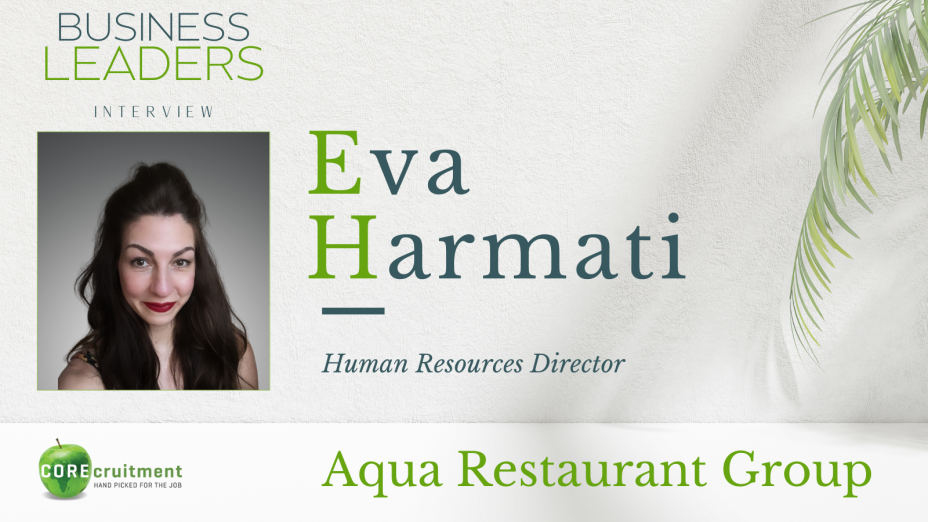
Business Leaders interview: Eva Harmati
Tell us a little about yourself and your business.
I am a HR Director for a renowned Restaurant Group with extensive experience in the retail and hospitality sectors across the EU, UK, and Ireland, along with some exposure to the Middle East and the US. Our business focuses on providing exceptional dining experiences while maintaining high standards of employee satisfaction and operational efficiency.
What motivates you in your work and what do you find most fulfilling about being a business leader?
I am motivated by the opportunity to create positive change within the organisation. The most fulfilling aspect of being a HR leader is seeing the growth and development of our team members and knowing that our efforts contribute to their success and well-being.
How did you develop your leadership skills and how would you define your leadership style?
I developed my leadership skills through continuous learning, mentorship, and hands on experience in various challenging roles. My leadership style is highly collaborative and inclusive, dedicated to empowering employees, fostering open communication, and inspiring innovation.
Innovating is crucial in our very diverse industry. How do you stay ahead of trends and incorporate them into your global strategy?
To stay ahead of trends, I actively engage with industry networks, attend conferences, and monitor market research. I incorporate these insights into our HR strategy by fostering a culture of innovation and adaptability, ensuring that our teams are well informed and equipped to implement new ideas effectively.
What do you consider to be the key component(s) of effective business operational development?
Effective business operational development relies on clear communication, strategic planning, continuous improvement, and a strong focus on customer satisfaction. Equally important is fostering a positive work culture that supports employee engagement and development.
How do you approach identifying areas for improvement within a company's operations?
I approach identifying areas for improvement by conducting thorough audits, gathering feedback from employees and customers, and analysing performance metrics. This holistic view helps pinpoint inefficiencies and areas that require attention.
Where do you think the most promising investments should be focusing on and/or made on?
The most promising investments should prioritize technology integration, employee learning and development, and sustainability initiatives. Embracing advanced technology streamlines operations, enhances customer experience, and maintains competitiveness. Investing in ongoing training and career development enriches employee skills, boosts job satisfaction, and fosters an innovative culture. Sustainability initiatives focus on eco-friendly practices, reducing environmental impact, and appealing to socially conscious consumers. These strategic investments drive innovation, improve operational efficiency, and ensure long-term success and engagement.
What is or are your biggest career achievement(s)?
One of my biggest career achievements is leading a comprehensive cultural transformation initiative that significantly improved employee engagement and retention. Additionally, successfully expanding our business into new international markets has been a notable accomplishment. I have also successfully created competent and motivated HR departments multiple times, adding significant value to the organisations.
Do you have examples where your leadership made a difference? If so, what were they?
I have consistently showcased the HR function's value through strategic initiatives that significantly contribute to business success. These efforts underscore HR's pivotal role in improving organisational efficiency, cultivating a positive work environment, and aligning with broader business goals. Additionally, I am dedicated to fostering the growth and development of my team members within HR, nurturing their careers and facilitating their professional advancement.
What’s the most important leadership lesson you’ve learned?
The most important leadership lesson I've learned is the value of empathy and active listening. Understanding and addressing the concerns of employees and stakeholders fosters trust and collaboration, leading to better outcomes.
How did you identify and seize opportunities for advancement in your career?
I identified opportunities for advancement by staying curious, seeking out new challenges, and building a professional network. I seized these opportunities by taking calculated risks, continuously learning, and demonstrating my capabilities through consistent performance.
Have you achieved everything you wanted in your career so far?
While I take pride in my achievements, I am particularly proud of transforming HR into a respected and integral part of the organisations where I have worked, challenging the perception that HR is mainly administrative. I believe in ongoing growth and embracing new challenges. Continuously seeking opportunities to learn and innovate enables me to consistently make a positive impact within HR at my workplaces.
How important is personal development to your success, and how do you approach it?
Personal development is crucial to my success. I approach it by setting clear goals, seeking feedback, pursuing continuous education, and staying updated with industry trends. This commitment helps me stay adaptable and effective in my role.
How do you prioritise tasks when everything feels like a priority
I prioritize tasks by evaluating their urgency and impact, delegating responsibilities as needed, and concentrating on strategic objectives. Maintaining transparent communication within my team is crucial to ensuring effective handling of critical tasks. Collaboration is key to our success in achieving our goals.
What was the hardest decision you have taken as a leader?
One of the most challenging decisions I've faced was restructuring a department to enhance efficiency, a process that necessitated tough conversations and transitions for some employees. Throughout, clear communication and providing support were paramount. Ultimately, maintaining a focus on our goals and treating everyone with respect proved crucial to navigating the changes successfully.
What steps do you take to measure your own performance?
I measure my performance by first setting clear, measurable goals aligned with organisational objectives. Regular feedback from peers and team members plays a crucial role in assessing my progress and identifying areas for improvement. I also conduct regular self-assessments, reflecting on both achievements and challenges faced. This approach not only encourages continuous learning but also ensures that I remain accountable and adaptable in achieving our strategic goals.
What does success mean for you as a business leader?
Success as a business leader means achieving a balance between operational excellence, employee satisfaction, and customer delight. It involves creating a positive, sustainable impact on the organisation and the broader community. Additionally, success includes seeing my HR team thrive and contribute significantly to the company's growth and success, fostering a culture where every team member can achieve their fullest potential. Balancing work and personal life are also essential, as it ensures that we deliver our best and maintain well-being across all aspects of our lives.
How would you define diversity, equity, and inclusion, and why are they important to you as a leader?
In hospitality, DEI is crucial because they foster a workplace where every individual's unique background and perspective are valued and respected. Embracing DEI enhances team collaboration, creativity, and innovation, which are essential for delivering exceptional guest experiences. By promoting fairness and inclusivity in our policies and practices, we create a supportive environment where employees feel empowered to contribute their best work. This not only boosts morale and job satisfaction but also strengthens our reputation as an employer of choice in the competitive hospitality industry. Ultimately, prioritizing DEI allows us to attract and retain top talent while ensuring a welcoming and enriching experience for both our team members and guests alike.
How have you incorporated DE&I into your organisation's culture?
Currently, we are actively integrating DEI into the core of our organisation through heightened awareness, comprehensive education, and robust accountability at all levels. Our ongoing initiatives include targeted training programs on unconscious bias, fostering inclusive leadership, and promoting respectful workplace practices. We are continuously reviewing and refining our policies and procedures to ensure they actively promote diversity and equity. Additionally, we enthusiastically celebrate cultural events, actively support employee resource groups, and prioritize incorporating diverse perspectives into our decision-making processes.
Has there been a moment or experience that significantly shaped your views on DE&I?
Witnessing the transformative impact of inclusive practices within our teams has been profound. Seeing individuals from different backgrounds come together, share ideas, and collaborate effectively has reinforced the importance of fostering an inclusive environment where everyone feels valued and respected. This belief has guided my approach, especially when forming my own HR teams, where I prioritize DEI considerations. It has consistently proven beneficial, affirming that diverse and inclusive teams are not only ethically sound but also enhance creativity, innovation, and overall team performance.
BUSINESS STRATEGY
How do you measure progress toward your DE&I goals?
We assess our progress using quantitative metrics such as diversity metrics in recruitment and retention rates. Additionally, upcoming employee engagement surveys will also focus on inclusion, and we track representation in leadership roles. Qualitatively, we evaluate employee feedback, participation in DEI initiatives, and conduct cultural assessments to understand our organisational climate.
How do you ensure that your DE&I initiatives are aligned with your overall business objectives?
Moving forward, we ensure our DEI initiatives align closely with our business objectives by integrating them into our strategic planning. This approach ensures that our goals are in harmony with our values, enhancing employee engagement, improving customer satisfaction. Looking ahead, we are expanding our DEI programs to further support our organisational goals and strengthen our commitment to diversity, equity, and inclusion across all aspects of our operations. Leadership commitment and accountability remain crucial in embedding DEI into our organisational culture for long term success.
In your business, what role does the leadership team play in promoting and sustaining DE&I?
In our business, the leadership team plays a pivotal role in promoting and sustaining DEI. We have begun implementing programs to actively involve leaders in EDI efforts, setting a strong example from the top by demonstrating inclusive behaviours and participating in educational initiatives.
RECRUITMENT
What strategies do you use to attract and recruit a diverse workforce?
We focus on inhouse recruitment strategies to attract and recruit a diverse workforce. This involves ensuring job descriptions are inclusive and unbiased, promoting job openings in diverse communities, and participating in career fairs that include all EDI groups. Additionally, we implement structured interview processes to assess candidates fairly based on their skills and qualifications.
How do you ensure that the hiring process across your company is fair and unbiased?
We conduct regular training for hiring managers on unconscious bias and inclusive hiring practices. We started to use standardised interview questions, diverse interview panels, and ‘blind’ resume screening where possible. Regular audits of our hiring data help us identify any potential biases and take corrective actions promptly.
Can you share examples of successful initiatives that have improved diversity in your hiring practices?
We are planning to visit culinary schools, universities, and other educational institutions in the upcoming months to expand our candidate pool and attract a more diverse range of applicants. Additionally, we are enhancing our outreach efforts to include these institutions in our recruitment strategy.
EMPLOYEE DEVELOPMENT & RETENTION
How can we ensure that, in the workplace, all employees have equal opportunities for advancement?
Ensuring equal opportunities for advancement in the workplace begins with establishing clear promotion criteria, conducting regular performance evaluations, and providing continuous feedback. We enhance accessibility to development resources for all employees and promote self-nomination and career planning discussions to support career progression, thereby helping to maintain fairness across our organisation. Monitoring and promptly addressing any discrepancies in advancement opportunities is a key focus area for us.
CULTURE
What can businesses do so that all their employees feel equally valued and respected?
Businesses nurture a culture of respect and inclusion through fostering open communication, celebrating diversity, and ensuring fairness in policies and practices. It involves offering training in respectful workplace behaviours, supporting employee-led affinity groups, and promptly addressing any instances of discrimination or harassment. These actions are essential in building an environment where every individual feels respected and valued.
Do you have a policy in place to address and prevent discrimination and harassment?
Yes, we have relevant policies and procedures in place that outline expectations for behaviour, provide channels for reporting incidents confidentially, and ensure swift and fair investigation and resolution of complaints. Regular training and awareness campaigns reinforce our commitment to maintaining a safe and respectful workplace for all employees.
Do you encourage open dialogue about diversity and inclusion among employees?
Absolutely, we promote open dialogue through regular meetings and feedback sessions where employees can share their perspectives and experiences. We encourage constructive conversations around DEI topics and empower employees to contribute ideas for continually improving our practices.
CHALLENGES & SOLUTIONS
Have you faced challenges in your DEI efforts and were they difficult to overcome?
Navigating cultural shifts and overcoming resistance to change were challenges I faced in my previous role. Here at my current company, we are still progressing on our DEI journey, but we have a comprehensive plan in place. With steadfast leadership support, transparent communication, and targeted training, we are actively working to cultivate a more inclusive culture where diversity is celebrated and valued. Overcoming initial resistance from some managers has been an opportunity to demonstrate the benefits of openness and collaboration in fostering a supportive and innovative workplace environment.
How do you handle resistance or pushback from employees regarding DEI initiatives?
We approach resistance with empathy and understanding, acknowledging varying perspectives while reinforcing the business case for diversity and inclusion. We provide opportunities for dialogue, address concerns transparently, and demonstrate the positive impact of DEI on organisational effectiveness and employee engagement. Communication is key here.
IMPACT & OUTCOMES
How do you measure the impact of DEI on your organisation's performance and culture?
We are in the early stages of our DEI journey, but we are committed to measuring its impact through employee engagement surveys, retention rates, productivity metrics, and feedback from customers and stakeholders. We anticipate positive outcomes such as boosted employee morale, enriched innovation from diverse perspectives, and heightened customer satisfaction. We believe these efforts will lead to sustainable business growth.
Can you provide examples of how DEI has positively influenced your business outcomes?
By embracing DEI, we anticipate witnessing enhanced teamwork and collaboration among employees from diverse backgrounds, which we believe will foster greater creativity and problem-solving capabilities. We are optimistic that our inclusive workplace culture will attract top talent, bolster our reputation as an employer of choice, and fortify our relationships with diverse customer bases. Looking ahead, we aim to reflect on these outcomes as we progress, with confidence in the positive impact of our DEI initiatives.
What advice would you give to other leaders who are just beginning their DEI journey?
Start by fostering leadership commitment and setting clear DEI goals aligned with your organisation's mission. Leaders must be honest with themselves about their starting point and what they aim to achieve, then outline how they plan to reach those goals. It's essential to be patient and engage people throughout the journey, encouraging open dialogue and learning from diverse perspectives. Regularly measure progress, celebrate successes, and address challenges transparently. Above all, prioritize creating an inclusive environment where every individual feels valued, respected, and empowered to contribute their unique talents to the organisation's success. Over time, the results will demonstrate the positive impact of your DEI efforts.
Author
Date Published: 1st August 2024
