
Business Leaders interview: Sarah Fox
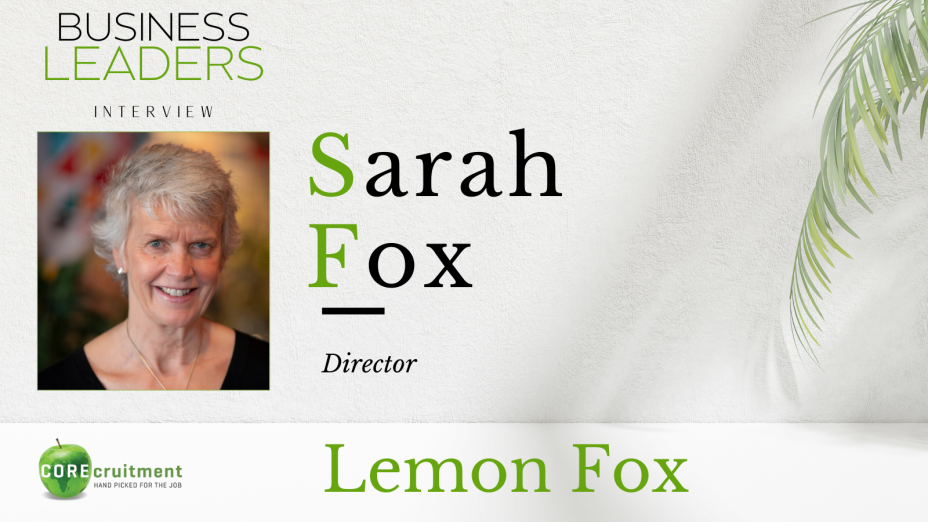
Tell us a little about yourself and your business.
I have worked in the hospitality industry since leaving University for nigh on 42 years. My career has been incredibly mixed and exciting – hospitality is one of the most character-building and fun/diverse industries out there. I have been fortunate enough to run small, entrepreneurial start-ups, including my own small restaurant group, be involved in turnaround projects, head up large corporate operations with thousands of employees and now I work largely on my own as a consultant. I have even been poacher turned gamekeeper, spending over 10 years working with large REIT landlords both in the retail industry and on science parks. Much of my work today remains with these Landlords
What motivates you in your work and what do you find most fulfilling about being a business leader?
I have always taken great pleasure in my work, particularly when it has involved support others. My experience still remains relevant when dealing with the development of people, bringing out the best in them and seeing them achieve their ambitions. Helping guide them, whilst allowing them to find their own way. Setting and hitting targets and constantly improving performance is a key driver.
Working in the businesses I did; it was hard scrambling up the ladder and being female was then a huge disadvantage – or so it seemed. Being gay was not acceptable so I kept it quiet. I achieved what I did despite this. Since being in positions of influence, I welcome all talents and believe that whoever you are, you will have your own fight and story to tell. Being able to give people a chance, is one of the most satisfying things in leading a business – but it can also be one of the most frustrating.
How did you develop your leadership skills and how would you define your leadership style?
I think being the eldest in a large family naturally develops several leadership qualities: the ability to command respect through living by example; doing what you say you will, taking care of those around you and creating an environment in which people will succeed. Listening to those around you and being able to notice some of the more subtle signs and sounds going on in the background, enables you to gather a more informed and broader outlook. Being genuinely interested in what someone has to say brings unexpected insights and rewards.
I had many different jobs whilst at school and university and those opportunities opened up new worlds and relationships. I was fortunate enough to work with some people who understood about nurturing enthusiasm and the desire to do well.
People will always come first for me, before numbers and results because your team produce the results. You look after your team, and they look after you. It sounds simple, but it’s absolutely true.
What is or are your biggest career achievement(s)?
Undoubtedly being involved in a start-up restaurant business, Santa Fe Raising funds, developing the concept and menu, doing the homework and then seeing it all come to fruition and develop into a 7 strong group was a fulfilment of a dream and a promise to myself. But there have been many highlights along the way: from being an Area Manager of a casual dining group in the West End to growing a fledgling delivery food business in the late 80’s, to running and growing a small brand of 15 units called Costa Coffee under Whitbread’s ownership. In our third year, we were opening 1 coffee shop a week – it was a fascinating and addictive business – literally!
Do you have examples where your leadership made a difference? If so, what were they?
Recognising that in its early expansion days, that if Costa were to succeed nationally, it needed to provide more than just coffee – it needed a food element, a comfortable place to sit and relax with clean facilities and more space. Challenging and influencing the roll-out strategy on the high street was vital to success.
On a completely different track, encouraging shopping-centre Landlords to listen to and understand the business models of their F&B tenants was influential in developing food strategy for those Landlords and supporting their tenants to be successful
What’s the most important leadership lesson you’ve learned?
Listen. You are only as good as the team around you. Manage them well, have the right people in the right positions and then encourage them. They will flourish and so will the business
How did you identify and seize opportunities for advancement in your career?
In truth, I think they identified me. I took every opportunity that I was offered to expose myself to as many different angles of the businesses I worked in, as I could. I got to work with some great finance people, some excellent marketeers and I was curious and not afraid to ask questions or say I did not understand
Have you achieved everything you wanted in your career so far?
In terms of personal achievements, then yes…in terms of making my millions, well then, no, but it has been fun trying and I haven’t given up!
How important is personal development to your success, and how do you approach it?
Extremely important. Again, I have been fortunate throughout my career that my bosses have recognised potential identified areas for improvement and given me the tools and the opportunity to grow as a business person and as a leader.
I came out of University with a language degree and a thought that I might teach. But I fell into a graduate development scheme with United biscuits who owned Pizzaland, fell in love with dough making and serving customers, was taught how to manage a P&L, given probably a bit too much responsibility, learnt from my mistakes and the rest is history.
Recognising that developing your softer skills: listening, showing empathy, care and sincerity, staying calm and measured but having the ability to make difficult and sometimes unpleasant decisions, are absolutely key to being a successful leader. Knowing that you don’t know what you don’t know and being humble enough to admit that. Not being afraid to ask for help. Giving praise where praise is due and constructive guidance when it is needed. These are not just business skills; they are the skills of life. We never stop learning.
How do you prioritise tasks when everything feels like a priority?
Identify those tasks that will have the biggest impact overall and have a clear plan to action them. List the others in order of importance as you see them. Gain agreement and understanding from your team. Delegate tasks well and trust in others to deliver. Stay focussed on the priority until completed and then move to the nest on the list
What was the hardest decision you have taken as a leader?
When I was first promoted as an Area Manager, having to discipline and finally sack a good friend and colleague with whom I had worked for several years. There have been other very difficult decisions in my career, but this is the one I learned the most from.
What steps do you take to measure your own performance?
I usually ask myself 3 simple questions in any task I take on
Did I do what I said I would do and did I do it to the best of my ability
Did I benefit the business and the people within it
Was the business owner satisfied with my work and the outcome
If the answer to these questions is yes, then I have performed well
What does success mean for you as a business leader?
Achieving the goals set and taking people with me for the journey. Growing the team around me to develop the business and to develop as business experts themselves. In truth, seeing the individuals that I have worked with, go on to bigger and better roles within and without the industry…achieving far more than I have – that brings the biggest smile to my face, and I know I have succeeded.
Author
Date Published: 1st August 2024
