
Business Leders interview: Rio Infantino
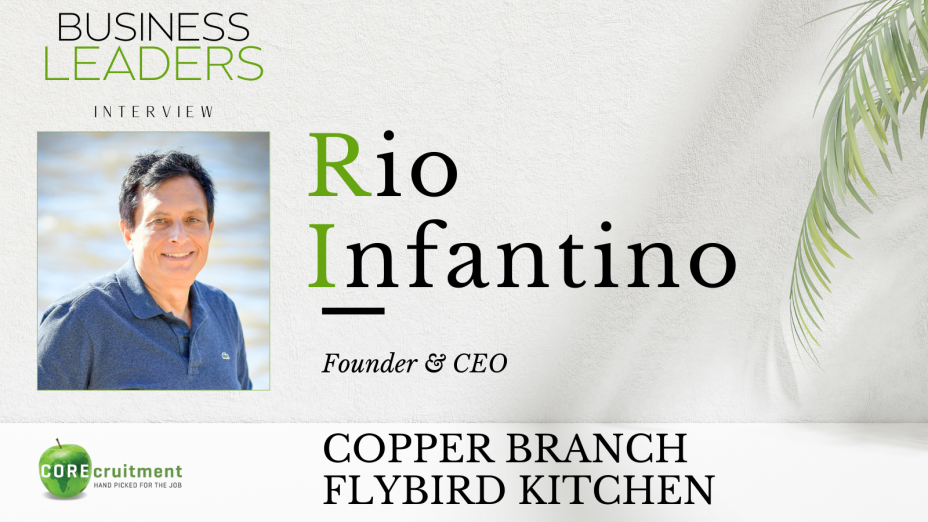
Tell us a little about yourself and your business.
I’m Rio Infantino, the founder of Copper Branch, which became the largest plant-based restaurant chain in the world. Currently, I’m channelling my passion for innovation into FLYBIRD Kitchen, a Quick Service Restaurant (QSR) that offers a unique dining experience. At FLYBIRD Kitchen, we focus on build-your-own bowls and Vietnamese-style sandwiches, bringing a sense of adventure to everyday meals. Our concept is all about providing fresh, customizable, and flavourful options that celebrate the diverse cuisines of Asia, all served in a fast and convenient format.
What motivates you in your work and what do you find most fulfilling about being a business leader?
I’m motivated by the challenge of transforming dining into a creative and interactive experience. The joy of seeing our guests delight in crafting their own bowls and enjoying our Vietnamese-style sandwiches is incredibly rewarding. As a business leader, the most fulfilling aspect is watching our team thrive and seeing the tangible impact of our work on both customers and the community.
How did you develop your leadership skills and how would you define your leadership style?
My leadership skills have evolved through a mix of practical experience, mentorship, and a commitment to ongoing learning. I’d describe my leadership style as collaborative and visionary. I strive to foster a culture of inclusion where every team member feels valued and empowered to contribute their best, all while aligning with our strategic goals.
Innovating is crucial in our very diverse industry. How do you stay ahead of trends and incorporate them into your global strategy?
Staying ahead involves a blend of curiosity and adaptability. I keep a close eye on global food trends, engage with industry experts, and draw inspiration from various sources. At FLYBIRD Kitchen, we incorporate these trends by experimenting with new ingredients and techniques in our build-your-own bowls and Vietnamese-style sandwiches, ensuring our offerings remain fresh and engaging.
What do you consider to be the key component(s) of effective business operational development?
Key components include a clear vision, efficient processes, and strong team collaboration. It’s essential to have a well-defined strategy, optimize operations for efficiency, and ensure that everyone on the team is aligned with our objectives. Regular evaluations and a willingness to adapt are also crucial for maintaining operational excellence.
How do you approach identifying areas for improvement within a company's operations?
I start by gathering feedback from various levels of the organization and analyzing performance metrics. Open communication is essential for uncovering areas that need improvement. We then work collaboratively to address these issues, ensuring that any changes are practical and aligned with our strategic goals.
Where do you think the most promising investments should be focusing on and/or made on?
Investments should focus on enhancing customer experience and operational efficiency. For a QSR like FLYBIRD Kitchen, this includes adopting advanced kitchen technology, exploring innovative ways to streamline service, and implementing effective marketing strategies to engage with our diverse customer base.
What is or are your biggest career achievement(s)?
One of my most significant achievements was founding Copper Branch and growing it into the largest plant-based restaurant chain in the world. Now, with FLYBIRD Kitchen, I’m excited to build a new dining adventure with our customizable bowls and Vietnamese-style sandwiches, making a notable impact in the QSR industry.
Do you have examples where your leadership made a difference? If so, what were they?
At Copper Branch, my leadership was pivotal in establishing a culture of innovation and excellence. I’m now bringing that same approach to FLYBIRD Kitchen, focusing on creating a dynamic and responsive team environment that excels in delivering exceptional food and service.
What’s the most important leadership lesson you’ve learned?
The most important leadership lesson I’ve learned is the value of listening and being adaptable. Effective leadership involves understanding the needs of your team and being flexible in adjusting strategies based on feedback and evolving circumstances.
How did you identify and seize opportunities for advancement in your career?
Opportunities have come from staying engaged with industry trends and proactively seeking out new challenges. Networking, continuous learning, and remaining open to new ideas have been key in identifying and seizing career advancement opportunities.
Have you achieved everything you wanted in your career so far?
While I’m proud of what I’ve achieved, I’m always looking forward to new goals and challenges. Achievements are important milestones, but the journey of innovation and growth is ongoing. There’s always more to explore and create.
How important is personal development to your success, and how do you approach it?
Personal development is crucial for success. I approach it by dedicating time to learning, seeking mentorship, and embracing new experiences. Continuous growth enhances leadership abilities and helps navigate the evolving demands of the industry.
How do you prioritize tasks when everything feels like a priority?
Prioritization involves evaluating the impact and urgency of tasks. I focus on aligning tasks with our strategic goals and breaking them into manageable steps. Effective delegation and time management are also key to handling multiple priorities effectively.
What was the hardest decision you have taken as a leader?
One of the hardest decisions was pivoting the business model at Copper Branch to adapt to changing market conditions. It required careful consideration and resource allocation but ultimately led to strengthening the brand and positioning us for future success.
What steps do you take to measure your own performance?
I measure my performance through self-reflection and feedback from peers and team members. Setting clear goals and regularly reviewing progress help evaluate effectiveness. Reflecting on both successes and areas for improvement is essential for refining my approach.
What does success mean for you as a business leader?
Success means creating a positive impact and delivering exceptional value. It’s about building a company that not only meets its goals but also enriches the community and industry. For me, success is also about fostering a culture of innovation and excellence where everyone feels motivated and valued.
Author
Date Published: 8th August 2024
