
Business Leaders interview: Fizz Malik
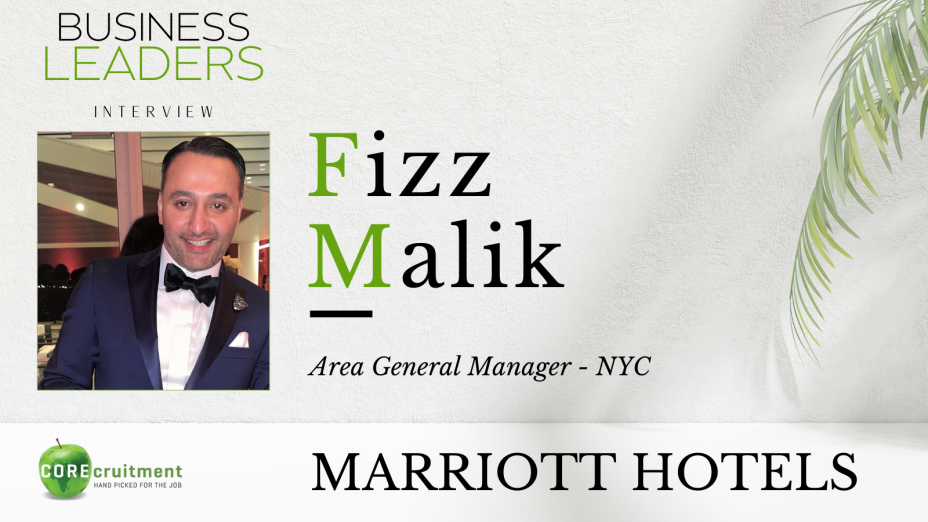
Tell us a little about yourself and your business.
With over 17 years in the global hotel management industry, I’ve held leadership roles across major brands like Marriott and Hilton, as well as various independent and boutique hotels. My career has spanned positions from Area General Manager to Area Director of Operations. In these roles, I’ve been responsible for overseeing operations, enhancing guest experiences, and driving financial performance. My work focuses on creating exceptional environments for both guests and staff, while also steering strategic initiatives that align with global industry standards.
What motivates you in your work and what do you find most fulfilling about being a business leader?
I am motivated by the challenge of transforming underperforming operations into thriving businesses and the opportunity to develop talent within my teams. The most fulfilling aspect of leadership for me is seeing the direct impact of my strategic decisions on the success of the business and the professional growth of my team members.
How did you develop your leadership skills and how would you define your leadership style?
My leadership skills were honed through a combination of hands-on experience and continuous learning. I believe in a transformational leadership style that focuses on inspiring and empowering my team to achieve their best. I emphasize open communication, trust, and a shared vision to drive success.
Innovating is crucial in our very diverse industry. How do you stay ahead of trends and incorporate them into your global strategy?
I stay ahead of trends by continuously engaging with industry publications, attending conferences, and networking with peers. I also prioritize market research to understand emerging trends and customer preferences. Incorporating these insights into a global strategy involves adapting innovative practices to fit diverse markets while maintaining brand consistency.
What do you consider to be the key component(s) of effective business operational development?
Key components include a clear strategic vision, efficient processes, and a strong focus on customer satisfaction. Additionally, investing in staff training and development ensures that teams are equipped to execute strategies effectively and adapt to changing business environments.
How do you approach identifying areas for improvement within a company's operations?
I use a combination of data analysis, feedback from staff and guests, and regular performance reviews to identify areas for improvement. By setting clear performance metrics and conducting thorough audits, I can pinpoint inefficiencies and develop targeted strategies to address them.
Where do you think the most promising investments should be focusing on and/or made on?
Investments should focus on technology and sustainability. Embracing advanced technologies can enhance operational efficiency and guest experiences, while sustainability initiatives can improve brand reputation and reduce long-term costs.
What is or are your biggest career achievement(s)?
One of my greatest achievements was leading a turnaround project for a struggling hotel that resulted in a 30% increase in revenue and a significant improvement in guest satisfaction scores within a year. Another notable achievement was successfully integrating new management practices across multiple properties, which enhanced operational consistency and performance.
Do you have examples where your leadership made a difference? If so, what were they?
Yes, in a previous role, I led a comprehensive staff training program that significantly improved service quality and team morale. This initiative resulted in a marked increase in guest satisfaction and repeat business, demonstrating the impact of investing in team development.
What’s the most important leadership lesson you’ve learned?
The most important lesson is the value of adaptability. Effective leaders must be able to pivot and adjust strategies in response to changing circumstances, while still maintaining a clear vision and guiding their teams through transitions.
How did you identify and seize opportunities for advancement in your career?
I actively sought out roles that aligned with my career goals and demonstrated a willingness to take on challenging assignments. Building strong professional relationships and continuously seeking feedback helped me identify growth opportunities and position myself for advancement.
Have you achieved everything you wanted in your career so far?
While I have achieved many of my career goals, I believe in continual growth and setting new objectives. There are always new challenges and opportunities to explore, and I remain committed to advancing my expertise and contributing to the industry.
How important is personal development to your success, and how do you approach it?
Personal development is crucial to my success. I approach it through ongoing education, seeking mentorship, and staying engaged with industry developments. I also invest time in self-reflection to identify areas for improvement and set personal and professional goals.
How do you prioritize tasks when everything feels like a priority?
I prioritize tasks by assessing their impact and urgency. I use a structured approach to evaluate which tasks align most closely with strategic goals and which have the most significant immediate impact. Effective delegation and time management also play key roles in balancing priorities.
What was the hardest decision you have taken as a leader?
One of the hardest decisions was restructuring a department to address significant budgetary constraints. It involved difficult conversations with team members and reassigning roles, but ultimately it was necessary to ensure the long-term stability and success of the organization.
What steps do you take to measure your own performance?
I measure my performance through regular self-assessment, feedback from peers and team members, and evaluating the outcomes of the initiatives I lead. Setting clear objectives and tracking progress against them helps me stay aligned with my goals.
What does success mean for you as a business leader?
Success means achieving a balance between driving financial performance and creating a positive, productive work environment. It involves meeting strategic objectives, fostering team growth, and delivering exceptional value to guests and stakeholders.
Author
Date Published: 19th September 2024
