
Business Leaders interview: Wolfgang Fritze
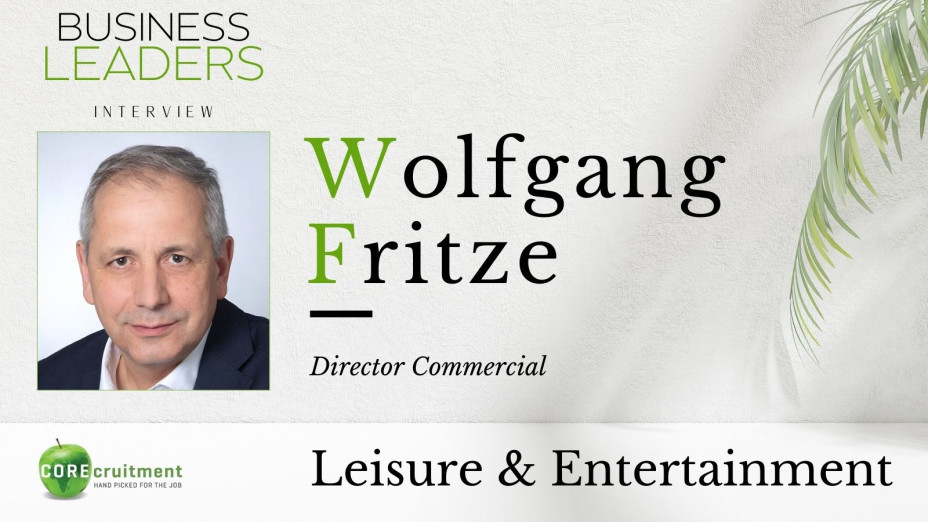
Tell us a little about yourself and your business.
I have over 30 years of experience in the food and beverage industry, and I currently serve as the Commercial Director at a resort theme park. In this role, I oversee all food and beverage, retail, and commercial activities. My experience spans various strategic and operational roles, allowing me to develop a well-rounded understanding of the business. I'm passionate about creating memorable experiences for our guests and leading a diverse team to achieve our goals.
What motivates you in your work and what do you find most fulfilling about being a business leader?
I’m motivated by the opportunity to create meaningful guest experiences and lead a dedicated team. The most fulfilling part is seeing the positive impact of our efforts on both guests and team members, which fosters a culture of collaboration and growth.
How did you develop your leadership skills and how would you define your leadership style?
I developed my leadership skills through a mix of strategic and operational roles, allowing me to gain a well-rounded perspective on both high-level decision-making and day-to-day execution. I’d describe my leadership style as collaborative and empowering. I believe in creating an environment where my team can take ownership and contribute their ideas, while also maintaining clear communication and adaptability to keep us aligned with our goals and responsive to industry demands.
Innovating is crucial in our very diverse industry. How do you stay ahead of trends and incorporate them into your global strategy?
I stay ahead of trends by attending industry conferences, networking, and analysing customer feedback. This insight informs our strategy, allowing us to introduce new ideas that enhance guest experiences and align with our business goals.
What do you consider to be the key component(s) of effective business operational development?
Key components include clear goal setting, accountability, and data-driven decision-making. Streamlined processes and ongoing training are essential for keeping the team engaged and responsive to change.
How do you approach identifying areas for improvement within a company's operations?
I begin by putting myself in the role of the guest to truly understand their experience and identify areas for improvement. This perspective helps me spot pain points that may not be evident from a purely operational viewpoint. I gather feedback through various channels, such as guest surveys and direct interactions, to gain insights into their expectations and satisfaction levels. I also analyse performance metrics and engage with frontline employees, who often have valuable input on operational challenges. By combining these insights with regular audits, I can prioritise areas for improvement that will enhance the overall guest experience and align with our strategic objectives.
Where do you think the most promising investments should be focusing on and/or made on?
I believe investments should focus on technology and sustainability. Advanced analytics and eco-friendly practices not only enhance operational efficiency but also align with consumer expectations for responsible business practices.
What is or are your biggest career achievement(s)?
Throughout my career, I’ve faced numerous challenges across different roles, each contributing to my growth as a professional. Rather than focusing on a single achievement, I value the lessons learned and the progress made in each position. Each experience has shaped my approach to leadership and business development.
Do you have examples where your leadership made a difference? If so, what were they?
A notable example of my leadership making a difference was during the post-merger integration of my department following the TotalFinaElf merger. This process required careful coordination and collaboration among diverse teams with different cultures and practices. I facilitated open communication and organized joint workshops to align our objectives and build trust among team members. By focusing on shared goals and encouraging collaboration, we successfully integrated our operations, resulting in improved efficiency and a stronger, unified team. This experience highlighted the importance of adaptability and fostering a cohesive work environment during times of change.
What’s the most important leadership lesson you’ve learned?
The most important lesson is adaptability. Embracing change and fostering resilience in the team allows us to navigate challenges effectively and seize new opportunities.
How did you identify and seize opportunities for advancement in your career?
I believe that being authentic and self-confident plays a crucial role in identifying and seizing opportunities for advancement. By staying true to my values and showcasing my strengths, I’ve been able to connect with others and create meaningful relationships in the industry. This openness has led to various opportunities, whether through networking or being considered for new roles.
Have you achieved everything you wanted in your career so far?
While I’ve accomplished many of my goals, I believe that career growth is a continuous journey rather than a destination. I’ve had the privilege of leading significant projects, including a successful M&A project, which has been immensely rewarding. However, I still aspire to take on new challenges and expand my impact within the industry.
How important is personal development to your success, and how do you approach it?
Personal development is essential to my success. I believe that each challenge presents an opportunity for growth, provided you're not afraid of change. Embracing change and learning from experiences allows me to evolve both personally and professionally.
How do you prioritise tasks when everything feels like a priority?
I prioritise tasks by assessing their impact on our goals and leveraging my experience to determine urgency. I categorize tasks into urgent and important and delegate when possible, allowing me to focus on what truly matters.
What was the hardest decision you have taken as a leader?
The hardest decision I’ve faced as a leader was during a period of significant change when I had to dismiss half of my staff, many of whom I had worked closely with. This was incredibly difficult because I valued our relationships and knew the impact it would have on their lives. I approached this decision with careful consideration, ensuring it was necessary for the long-term sustainability of the organization. I communicated openly with my team about the reasons behind the changes and provided as much support as possible during the transition. This experience reinforced for me the importance of making tough decisions for the greater good while being empathetic and transparent with those affected.
What steps do you take to measure your own performance?
To measure my performance, I set clear goals and regularly check my progress towards them. I also ask for feedback from my team and colleagues to see how I’m doing from their perspective. This helps me understand what I’m doing well and where I can improve.
What does success mean for you as a business leader?
For me, success as a business leader means creating a positive environment where both the team and the organization can thrive. It’s about achieving our goals while also ensuring that my team feels valued, engaged, and empowered to contribute their best work. I measure success not just by financial results but also by the satisfaction of our guests and the growth of my team members. Ultimately, success is about making a lasting impact and fostering a culture of collaboration, innovation, and continuous improvement.
Date Published: 4th November 2024