
Leadership Interview Series: Eugeni Serranos
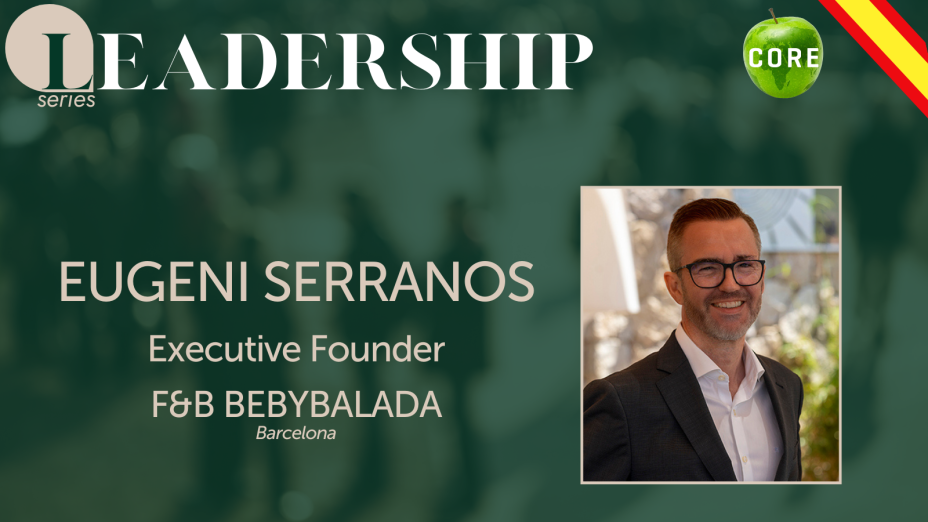
Tell us a little about yourself and your business.
I am a hospitality professional with a career primarily developed in luxury hotels, resorts and transformation projects. Throughout my journey, I have worked across operations, sales, marketing and general management, always with a strong focus on results, guest experience and team development.
Currently, I lead a hotel undergoing a clear repositioning process, where the objective is not only to improve financial performance but to build a product with a strong identity, long-term sustainability and alignment with a higher-value guest profile.
What initially inspired you or sparked your interest in pursuing this career?
From an early age, I was drawn to the impact hospitality has on people. I was fascinated by how great service, well-designed spaces and thoughtfully crafted experiences can create lasting memories. Over time, I realised hospitality is ultimately about managing human experiences, and that complexity is what truly inspired me.
What motivates you in your work and what do you find most fulfilling about being a business leader?
I am motivated by building projects that make sense, perform well and help people grow. What I find most fulfilling about leadership is seeing teams evolve, gain confidence and take ownership of what they do. When results come as a consequence of collective effort, the satisfaction is far greater.
What do you see as the biggest challenges currently facing the industry and how should a business like yours respond?
The industry is facing several major challenges: talent scarcity, margin pressure, shifting guest expectations and the need for true differentiation. The response cannot be limited to cost control; it must focus on product, experience, culture and targeting the right customer.
Businesses that will succeed are those that dare to say no to certain types of business, position themselves clearly and understand that profitability and experience are not opposing concepts.
How do you stay updated on industry trends, customer expectations and regulatory changes?
Through a combination of active guest listening, data analysis, networking with industry peers and close collaboration with partners and suppliers. Above all, I stay very close to the operation—walking the hotel often provides more insight than any report.
Where do you think the most promising investments should be focused?
In product, guest experience, people and smart technology. It’s not about investing more, but investing better: revenue-generating spaces, distinctive experiences, meaningful training and tools that support better sales and operational efficiency.
What skills or mindsets do you think will be most important for the next generation of hospitality leaders?
Adaptability, emotional intelligence, data-driven decision-making and a holistic understanding of the business. Most importantly, a human mindset—understanding that leadership is not about control, but about creating environments where people can perform at their best.
What are your biggest career achievements?
Rather than a specific title, I would highlight leading genuine transformation processes: rebuilding disengaged teams, restoring identity and performance to hotels, and turning uncertainty into stability. These achievements rarely appear on a CV, but they are the most meaningful.
What’s the most important leadership lesson you’ve learned?
That not everything depends on you. Learning to delegate, trust and empower others is essential. Leadership is not about being indispensable, but about building organisations that function even in your absence.
Are you expecting consumer expectations to shift this year?
Yes—and they already are. Guests are seeking more authenticity, coherence and real value. Less spectacle, more truth. They want to feel genuinely cared for, not impressed, which requires hotels to be honest about who they are and what they offer.
How do you balance commercial performance with staff well-being, retention and culture building?
By understanding that they are not opposites. A supported, trained and engaged team delivers better results in the medium and long term. The balance lies in being demanding with objectives while remaining human in approach. Culture is built through daily decisions, not speeches.
Looking back, what has been the most pivotal moment in your career?
A key turning point was realising that my role was not to constantly solve problems, but to anticipate, structure and develop other leaders. That mindset shift fundamentally changed how I manage and lead.
Who or what has had a major influence on your approach to leadership?
The people I have worked with. I’ve learned as much from great leaders as from poor examples. Observing the impact leadership decisions have on teams has been my greatest school.
What advice would you give emerging leaders who want to shape the future of hospitality?
Understand the business from the ground up, listen carefully, avoid rushing your journey and never lose curiosity. Hospitality is demanding, but deeply rewarding when approached with passion, humility and a long-term vision.
Author
Date Published: 6th January 2026
