
Business Leaders interview: Rosie Hewat
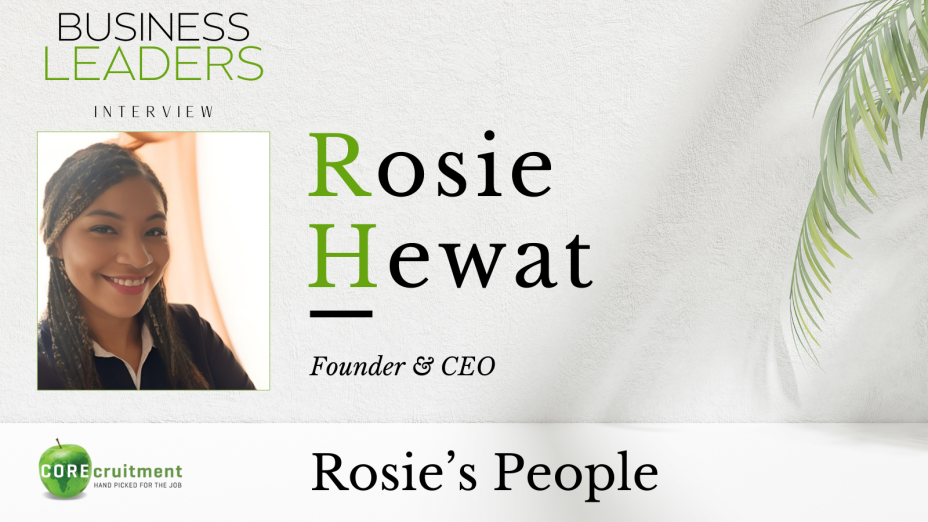
Tell us a little about yourself and your business.
I am a proactive, strategic, and commercially focused HR and Operations Executive with over two decades of experience across various sectors and organizations. As the founder and CEO of Rosie’s People, a global HR and Business Operations consultancy, I have a passion for creating high-performing, cohesive and diverse teams. Our vision is to be the premier partner for leaders and organizations seeking to elevate performance and achieve sustainable growth. Through innovative strategies, personalized guidance, and unwavering dedication, we aim to foster a future where businesses thrive, equitable practices are the norm and integrity is the standard.
What motivates you in your work and what do you find most fulfilling about being a business leader?
I am driven by the opportunity to create meaningful change and support the growth of organizations that align with my values, have integrity, innovation and purpose. The most fulfilling aspect of being a business leader is witnessing the tangible impact of strategic initiatives on organizational success and employee development. Seeing teams thrive and businesses achieve their goals motivates me to continue pushing boundaries.
How did you develop your leadership skills and how would you define your leadership style?
My leadership skills were honed through diverse roles and experiences across multiple industries. Each position presented unique challenges, from managing HR functions in fast-paced start-ups to overseeing operations in established firms. My leadership style is collaborative and inclusive, focusing on empowering teams, fostering open communication, and driving performance through shared visions, objectives and goals.
Innovating is crucial in our very diverse industry. How do you stay ahead of trends and incorporate them into your global strategy?
Staying ahead of trends requires continuous learning and active engagement with industry developments. I regularly attend industry events, participate in professional networks, and subscribe to key publications. Integrating trends into global strategy involves assessing their relevance, potential impact, and aligning them with the organization's mission and goals. For example, at Kuda, I created and launched the Kuda Academy to address emerging skill requirements, provide a steady pipeline for business continuity and to foster a culture of continuous learning.
What do you consider to be the key component(s) of effective business operational development?
Effective business operational development hinges on strategic planning, stakeholder engagement, and data-driven decision-making. It's essential to align operations with organizational goals, streamline processes, and integrate technology to enhance efficiency. Regular performance reviews and feedback mechanisms also play a crucial role in driving continuous improvement.
How do you approach identifying areas for improvement within a company's operations?
Identifying areas for improvement involves conducting thorough audits and gathering input from various stakeholders. Analysing performance data, benchmarking against industry standards, and soliciting feedback from employees and customers provide valuable insights. One of our clients recently commissioned a comprehensive HR audit that revealed key areas for enhancement, leading to significant operational improvements.
Where do you think the most promising investments should be focusing on and/or made on?
Promising investments should focus on technology integration, equitable talent development, and innovation. Investing in advanced HRIS systems, continuous learning platforms, and data analytics can significantly enhance operational efficiency and decision-making. Additionally, fostering a culture of innovation through research and development ensures long-term sustainability and competitiveness.
What is or are your biggest career achievement(s)?
Ironically, it’s not my win but I feel like it is. Whenever I see someone, I managed or mentored succeeding, and achieving their dreams, goals and milestones, this gives me a lot of joy and feels like a win for me too. So, I’m not sure if I’ve even seen my greatest yet.
What’s the most important leadership lesson you’ve learned?
Navigating the dynamic business landscape requires the ability to pivot strategies quickly while maintaining a clear vision and strong leadership presence. You cannot lead if no one wants to follow you. The ability to inspire and motivate others comes from being a respectful leader, one that is considerate and communicates respectfully with your people, and actively listening to what they say, as well as requesting honest (at times brutal) feedback from them. We all have room for improvement.
Have you achieved everything you wanted in your career so far?
While I am proud of my achievements, I believe there is always room for growth and new challenges. I am committed to lifelong learning and will continue to grab opportunities to further develop my skills and contribute to innovative projects.
How important is personal development to your success, and how do you approach it?
Personal development is crucial to my success. I approach it through continuous education, mentorship, and active participation in professional networks. Engaging in industry events, speaking at conferences, and staying updated on the latest trends help me maintain a competitive edge.
How do you prioritize tasks when everything feels like a priority?
Prioritizing tasks involves assessing their impact on organizational goals and deadlines. I use strategic planning tools and regularly review and adjust priorities based on changing circumstances. Delegating responsibilities and empowering team members also ensures that critical tasks are managed efficiently.
What steps do you take to measure your own performance?
I measure my performance through feedback from peers and stakeholders, regular self-assessment, and setting measurable goals. Reviewing key performance indicators and seeking constructive criticism helps me identify areas for improvement and celebrate successes.
What does success mean for you as a business leader?
Success as a business leader means achieving organizational goals while fostering a positive, inclusive, and innovative workplace culture. It involves driving sustainable growth, supporting employee development, and making a meaningful impact on the industry and community.
Author
Date Published: 28th August 2024
