
Leadership interview series: Jan-Patrick Krüger
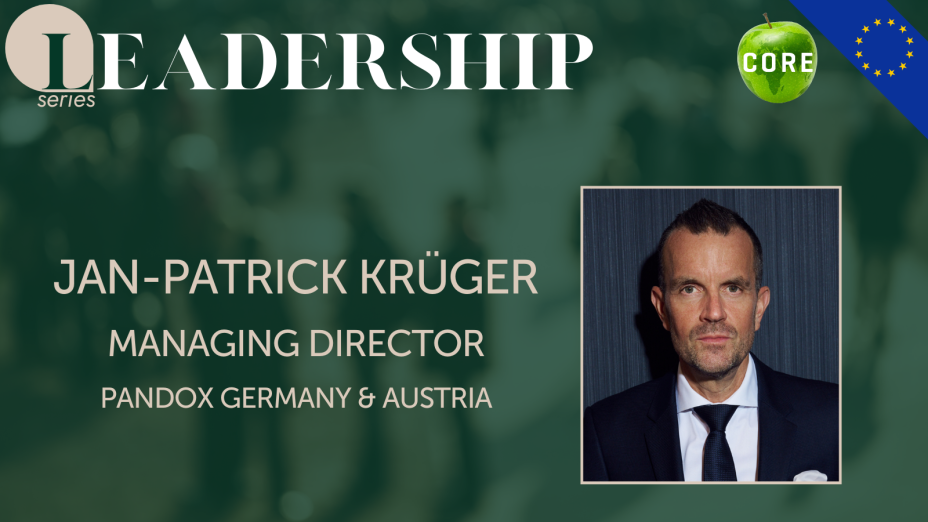
Through our CORE Leadership Series, we showcase exceptional and inspiring industry leaders via in-depth interviews
We talk to Jan-Patrick Krüger, Managing Director at Pandox Germany & Austria
Tell us a little about yourself and your business.
I’m a hospitality and real estate professional with over 25 years of experience across international hotel operations, asset management, and portfolio leadership. My background combines a strong operational foundation with a clear owner and investor perspective.
For the past several years, I have been Managing Director for Pandox in Germany and Austria, where I oversee a diverse hotel portfolio across multiple brands and business models. My focus has been on driving sustainable performance - improving profitability, strengthening governance, and enhancing long-term asset value - while working very closely with operators, brands, and internal teams.
Before joining Pandox, I held senior operational roles with international hotel groups, including several General Manager positions for large and complex hotels. This hands-on experience has shaped my leadership style and gives me a deep understanding of how to translate strategy into operational and commercial results.
What do you believe will distinguish the leading service providers over the next decade?
I believe the market will continue to evolve toward clearer segmentation, and the leading service providers will be those with a very clear positioning.
At the top end, truly luxurious hotels will remain highly relevant. Affluent guests are willing to spend on personal, genuine service and exceptional quality - provided it feels authentic and individual. In this segment, people and culture will be the main differentiators, with digitalization quietly supporting personalization and seamless processes in the background.
At the other end, affordable lifestyle concepts with a focused service offering will gain further importance. These models succeed by being very clear about what they deliver, using design and efficiency rather than breadth of service to create value. Here, digitalization is more visible, driving scale, efficiency, and convenience.
What will struggle increasingly is the undifferentiated middle. The winners will be those who make conscious strategic choices, use technology purposefully, and deliver a clear and consistent value proposition.
What skills or mindsets do you think will be most important for the next generation of hospitality leaders?
In many ways, I don’t believe this has fundamentally changed. The core qualities that define strong hospitality leadership remain passion for the business, unwavering commitment, and a genuine willingness to go the extra mile - for guests, teams, and partners.
What has evolved is the context in which these qualities are applied. Today’s leaders need to combine that dedication with resilience, clarity, and the ability to lead through complexity and constant change. Empathy and credibility are increasingly important, particularly in attracting, developing, and retaining talent.
Technology, data, and new business models will continue to evolve, but they are tools rather than substitutes for leadership.
Have you achieved everything you wanted in your career so far?
I’ve been fortunate to achieve a great deal in my career, from leading Pandox Germany & Austria with its 41-hotel portfolio to delivering record profitability and successful repositionings earlier in my career. These milestones reflect both my operational expertise and my ability to drive strategic impact.
That said, I don’t see my career as a checklist. I’m motivated by challenges, growth, and creating meaningful impact - whether through transforming businesses, mentoring teams, or shaping the future of hospitality. While I’m proud of what I’ve accomplished so far, I’m even more energized by the opportunities ahead to apply my experience in new contexts and continue pushing boundaries.
How do you prioritize tasks when everything feels like a priority?
When everything feels like a priority, I approach it by focusing on impact, urgency, and alignment with strategic goals. I assess which tasks will drive the most meaningful results for the business, guests, and teams, and I tackle those first.
I also rely on structured delegation and clear accountability, ensuring that capable team members own initiatives where appropriate, freeing me to focus on decisions that require my attention. Regular check-ins and transparent communication help keep the team aligned and ensure that priorities can shift dynamically without losing sight of critical objectives.
Ultimately, it’s about staying practical, making deliberate choices, and focusing on what will make the biggest difference.
Have there been any hard decisions you had to take as a business leader?
Yes, as a business leader, I’ve had to make several difficult decisions, particularly when streamlining organizations to ensure long-term sustainability. These situations often involve reducing headcount, which is never easy.
For me, the focus is always on handling these decisions with integrity and respect. That means clear communication, support for those affected, and helping people transition wherever possible. At the same time, I ensure the organization remains strong and focused, protecting the business, the teams who remain, and our ability to deliver excellent service.
Balancing business needs with social responsibility is challenging, but it’s a responsibility I take very seriously - it’s about making hard choices thoughtfully and ethically.
What values or behaviours do you consider essential for leadership teams today?
For leadership teams today, I believe the most essential values and behaviours are integrity, accountability, and collaboration. Leaders must be transparent in their decisions, take ownership of outcomes, and work together across functions to achieve shared goals. Equally important are empathy and respect - understanding your people, supporting their development, and fostering a culture where teams feel valued and motivated. A modern leadership team also needs strategic thinking and adaptability, able to navigate complexity and change while staying aligned with the organization’s vision. Ultimately, strong leadership is a balance of delivering results, inspiring people, and modelling the behaviours you expect throughout the organization.
What innovations, technological, experiential, or operational, excite you the most right now?
What excites me most right now is the transformative potential of digitalization across hospitality. I’m particularly energized by innovations that streamline operations, enhance decision-making, and free teams to focus on the human side of service.
From advanced property management systems and integrated analytics tools to AI-driven revenue and guest experience platforms, the ability to harness data and technology is reshaping how we operate and compete. At the same time, I’m inspired by experiential innovations - ways to make guest journeys more personalized, seamless, and memorable, supported by technology rather than replacing the human touch. For me, the most exciting opportunities are where systems, tools, and insights empower teams to deliver higher quality, smarter service, and measurable business impact.
Looking back, what has been the most pivotal moment in your career, a turning point that shaped how you lead today?
The most pivotal moment in my career was the decision to leave the corporate hotel environment and pursue a role with a hotel real estate company. That move was intentional - I wanted to combine my operational expertise with a broader strategic and asset-focused perspective.
Joining Pandox allowed me to oversee a large and diverse portfolio, take direct responsibility for the assets and their affiliated brands, and drive business transformations at scale. That experience fundamentally shaped how I lead today - balancing operational excellence with strategic foresight, making decisions that consider both people and long-term business impact, and always focusing on creating sustainable value.
What does the industry need more of to continue thriving?
To continue thriving, the hospitality industry needs more focus on people, innovation, and strategic clarity. First, attracting, developing, and retaining talented teams is critical - passionate and skilled people remain at the heart of exceptional guest experiences.
Second, the industry should embrace technology and data-driven innovation, not just for operational efficiency but to enhance personalization, service quality, and decision-making. Digital tools, when used thoughtfully, can free teams to focus on delivering value where it matters most.
Finally, providers need clarity in their positioning and business models. Clear choices about target markets, service levels, and brand promise allow companies to differentiate themselves and invest resources effectively, avoiding the pitfalls of trying to be everything to everyone.
Together, these elements create a resilient, agile, and guest-focused industry that can adapt and grow sustainably.
You’re known to be an extremely dedicated long-distance runner, having completed events like the Marathon des Sables. How has that passion and experience influenced the way you approach leadership and business challenges?
Running extreme long-distance events, like the Marathon des Sables - one of the toughest multi-stage races in the world - has taught me lessons that directly translate to leadership and business.
Endurance, discipline, and mental toughness are essential in both arenas. In the race, you plan carefully, pace yourself strategically, and adapt constantly to changing conditions - all while keeping focus on the long-term goal. In business, I apply the same mindset: staying disciplined, thinking ahead, managing resources wisely, and motivating teams to perform under pressure.It has reinforced the importance of resilience and perseverance. Even in the toughest situations, maintaining focus and taking one step at a time allows you to achieve what may initially seem impossible - a perspective I bring to complex transformations and high-stakes initiatives in my career.
Author
Date Published: 10th January 2026
