
LVW interview: Dee Llewellyn
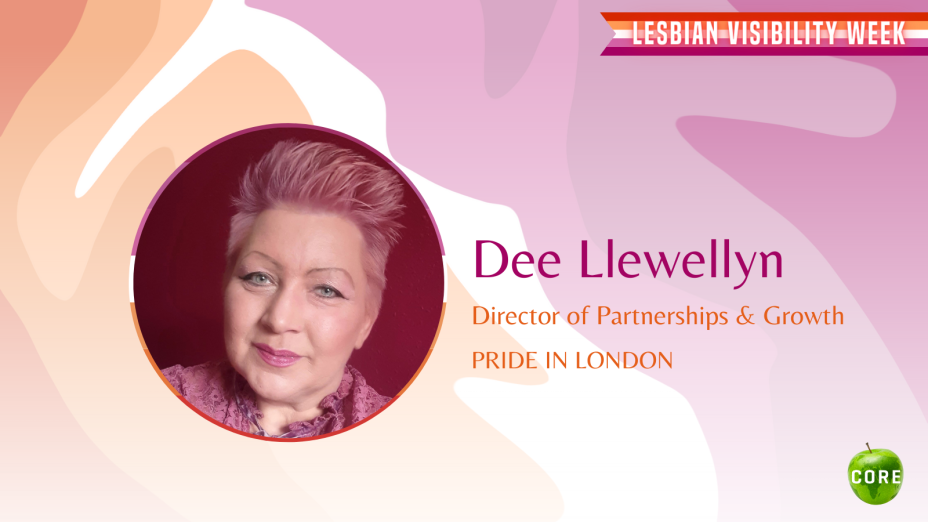
What does ‘lesbian visibility’ mean to you, and why is it important?
Lesbian visibility refers to the acknowledgment and representation of lesbian individuals in society. It's vital because it combats stereotypes, promotes understanding, and validates the existence of lesbian identities. By increasing visibility, we create a more inclusive environment where lesbians feel accepted and empowered to live authentically.
What does “being visible” mean to you?
Being visible entails openly embracing one's lesbian identity and not concealing it due to societal pressures or norms. It means advocating for visibility and representation within communities, workplaces, and media. Visibility empowers individuals to share their stories, challenge misconceptions, and foster acceptance and inclusion.
How important have queer role models been to you and did you have any growing up, through your education and into your career?
Queer role models play a crucial role in providing validation, guidance, and inspiration to individuals navigating their sexual orientation. Skin from Skunk Anansie was my Lesbian role model growing up. She was never afraid to embrace any of the intersections of her own identity and that's always been something to look up to.
Have you ever been treated differently at work because of your sexuality?
Personally, I was never treated any differently in the workplace until I cut my hair. This seemed to be the catalyst to trigger homophobic discrimination for me. While experiences vary, discrimination based on sexuality remains a prevalent issue in many workplaces. LGBTQ+ individuals may encounter subtle biases, microaggressions, or overt discrimination. It's essential for workplaces to foster inclusive cultures where all employees feel respected and valued regardless of their sexual orientation.
What are the key challenges LGBTQI women face today?
LGBTQ+ women face multifaceted challenges, including discrimination, lack of representation, disparities in healthcare access, economic inequality, and heightened risk of violence. Intersectional identities compound these challenges, particularly for LGBTQ+ women of colour, transgender women, and those from marginalised communities.
What can organisations do to support Lesbian Visibility Week?
Organisations can support Lesbian Visibility Week by promoting awareness, hosting events, and amplifying lesbian voices and stories. They can implement LGBTQ+ friendly policies, provide resources for education and advocacy, and foster inclusive environments where lesbians feel affirmed and supported.
What would your advice be to other women who might be struggling to come to terms with their sexuality and how that might affect them in the workplace?
To women struggling with their sexuality, I'd advise seeking support from LGBTQ+ communities, allies, or professional counsellors. It's essential to prioritise self-care, self-acceptance, and seeking out inclusive environments where you feel safe and valued. In the workplace, know your rights, advocate for inclusivity, and seek out supportive colleagues or resources if needed.
What’s the main message or tips you’d want to give to any queer women or allies reading this?
The main message is to recognise the importance of visibility, representation, and advocacy in creating a more inclusive society. For queer women, prioritise self-acceptance, community support, and activism. For allies, actively listen, educate yourselves, and advocate for LGBTQ+ rights and visibility. Together, we can work towards a future where all individuals, regardless of sexual orientation, are treated with dignity and respect.
Author
Date Published: 17th April 2024
