
Leadership series: Milly Whitehead
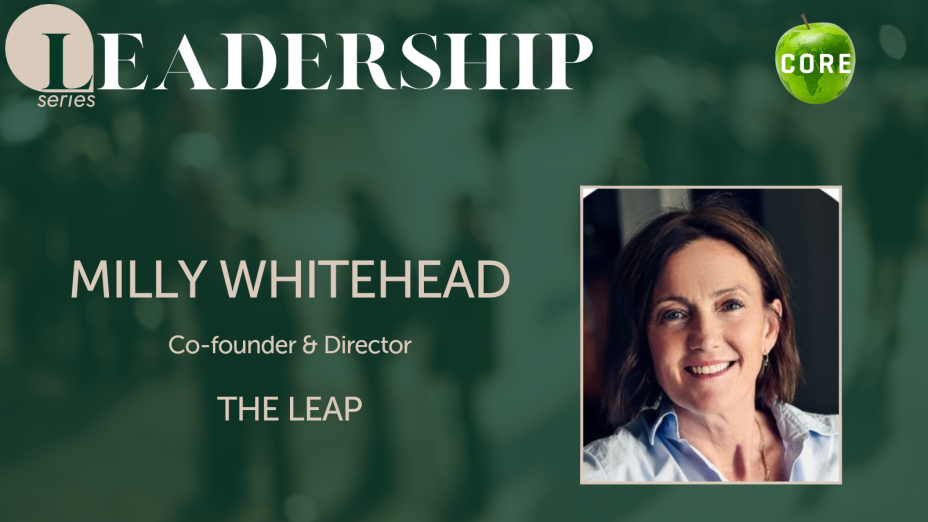
Through our Leadership series, we celebrate remarkable industry leaders by sharing their stories.
In this episode, we speak to Milly Whitehead, Co- Founder & Director at The Leap
Tell us a little about yourself, The Leap and the purpose behind the business.
I’m Milly, co-founder of The Leap, which I started with my husband Guy in 2002. We create overseas team experiences for young people, through school expeditions, under-18 adventures and gap year programmes.
Our programmes bring together three things: culture, contribution and challenge. That might mean working alongside a conservation team in Kenya, supporting a community project in Costa Rica or trekking through the Andes.
The adventure gets people interested, but the purpose goes much deeper. We want young people to come home more confident, capable and aware of the world and of what they have to offer it.
What initially inspired you to build a travel business focused on young people, and how has that vision evolved?
Guy and I believed that travel could give young people something incredibly valuable at a formative point in their lives: the chance to step outside familiar routines, meet different people and discover what they could do.
That belief still drives us. What has evolved is how deliberately we help them recognise and use what they learn. Confidence, teamwork and initiative can feel quite abstract until you have a real experience to attach them to.
Today, we put much more emphasis on helping young people explain what they did, what they learned and how it might shape their next step. The experience should stay useful long after the backpack has been unpacked.
What do you find most fulfilling about leading The Leap?
Seeing a young person surprise themselves. Perhaps they arrive feeling nervous, knowing nobody and wondering whether they have made a terrible mistake. Then something shifts: they make friends, take responsibility, tackle a challenge and realise they are more capable than they thought.
It isn’t always the biggest, most dramatic moment that matters. Sometimes it’s having the confidence to put their hand up, contribute an idea or support someone else.
As a mother myself, I know how much those little changes mean. You want your children to feel that they can go out into the world and find their feet.
What are the biggest challenges facing your business today, and how are you responding?
One challenge is communicating the value of a well-planned overseas experience when families are thinking carefully about both cost and their children’s futures. We need to be clear about what young people will do, the support they will receive and what they can take from it.
Another is delivering consistently across destinations where circumstances can change quickly.
Strong local relationships and clear communication are essential.
Our response is to keep strengthening the substance of our programmes: meaningful project work, thoughtful progression, dependable support and practical help turning experience into evidence for applications and interviews. We have to earn families’ trust through what we deliver.
What’s the most important leadership lesson you’ve learned, and how does it influence the way you run the business?
Listen to the people closest to the work. It is very easy to have a wonderful idea from a desk in Wiltshire; the person running a project in Kenya may see something you have completely missed.
Our local partners bring knowledge and judgement that we depend on. The same applies to our UK team. My job is to give people clarity about what we are trying to achieve, then make room for their expertise.
I also believe in owning mistakes. When something hasn’t gone to plan, people deserve a straight answer, a proper apology and action. Trust depends on how you respond when things are difficult.
How do you balance parents’ need for reassurance with young people’s need for independence and challenge?
We put a strong support structure around the experience, then give young people room to grow within it.
Parents need to understand who is looking after their child, how communication works and what happens if there is a problem. Young people need opportunities to make decisions, contribute to the team and take responsibility.
The distinction I often come back to is between being uncomfortable and being unsafe. Joining a group of strangers, trying unfamiliar food or tackling a demanding trek can feel uncomfortable and those can be valuable experiences when properly supported.
Our job is to judge the challenge carefully and provide the right support for the age group.
What role can travel play in developing the skills and mindsets employers value, and where have you seen this in practice?
Travel creates situations where young people have to practise adaptability, communication and teamwork. You are working with people you didn’t choose, in an unfamiliar setting, and things won’t always happen exactly as expected.
In Kenya, for example, our programmes connect marine conservation with community livelihoods. Young people have to listen to local expertise, understand why a task matters and contribute alongside others. That calls for curiosity, patience and a willingness to learn.
But being abroad doesn’t automatically develop those skills. The quality of the experience, and the reflection afterwards, matters. “I volunteered overseas” tells an employer very little.
Explaining a problem you faced, your contribution and what you learned gives them something much more useful.
How do you work with local partners to create experiences that are valuable for both travellers and host communities?
It starts with listening to what our partners are trying to achieve. They understand the local priorities and should guide how visiting teams can contribute.
Our longstanding relationship with Oceans Alive in Kenya is a good example. Their work connects marine conservation with community livelihoods, helping young people understand that protecting a reef also involves understanding the people who depend on it.
We want our teams to join useful, ongoing work, with tasks appropriate to their abilities. They are there to contribute and learn, with respect for the expertise already there. The relationship needs to have value beyond the dates of any individual trip.
What do you believe will distinguish the most successful travel and experience providers over the next decade?
I think trust, substance and personal connection will become even more valuable. Beautiful photographs can attract attention, but families also want to understand who is behind an experience, how it works and whether it delivers on its promises.
The strongest providers will know their destinations and partners properly, be honest about what they offer and make the experience feel personal.
For young people’s travel, I believe there will also be greater interest in what comes afterwards: the confidence, perspective, friendships and practical experience they bring home. Providers who can explain that value clearly, and consistently deliver it, will stand out.
What is your long-term vision for The Leap, and what legacy would you like the business to leave?
I want The Leap to keep creating experiences that help young people move into their next chapter with greater confidence, curiosity and a sense of responsibility.
I’d like us to keep strengthening the connection between adventure and personal development, while protecting the relationships and personal care that make the business what it is. Growth needs to work for our local partners as well as for us.
The legacy I would love is a generation of people who look back and say, “That was when I realised what I could do” and partners who feel that building something with The Leap made a lasting, useful difference.
Author
Date Published: 12th November 2026
